


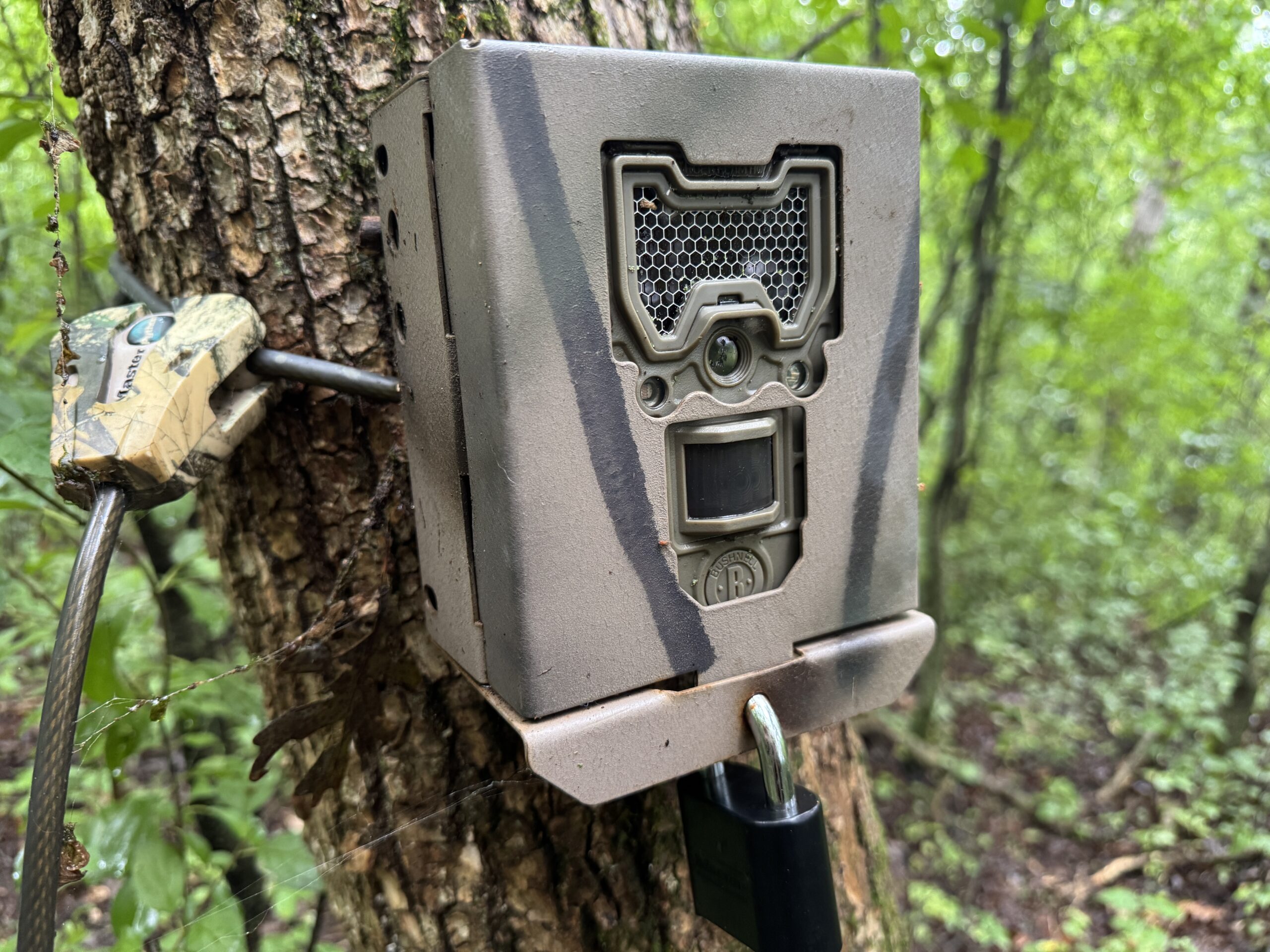
Introduction to Snapshot Wisconsin Trail Camera Photos
Snapshot Wisconsin trail camera photos provide a fascinating look into the hidden world of wildlife. These images are captured automatically in forests, fields, and natural habitats without human interference. The purpose is not just photography—it is scientific observation made simple and efficient.
In today’s digital age, wildlife research has moved far beyond manual tracking. With the help of trail cameras, researchers can collect thousands of images daily. These photos help experts understand how animals live, move, and interact with their environment. The keyword snapshot wisconsin trail camera photos naturally represents a powerful combination of technology and conservation.
What is Snapshot Wisconsin?
Snapshot Wisconsin is a large-scale wildlife monitoring project that combines technology, research, and public participation. It is managed by the Wisconsin Department of Natural Resources in partnership with universities and volunteers.
The project began with a clear mission: to monitor wildlife across the state using modern tools. Over time, it has grown into one of the most successful citizen science projects. Thousands of cameras are placed across different regions, capturing millions of photos every year.
This initiative allows scientists to gather real-time data without disturbing animals. At the same time, it invites the public to participate in classifying images, making it both educational and impactful.
What Are Trail Camera Photos?
Trail camera photos are images captured by motion-activated cameras placed in outdoor environments. These cameras detect movement and automatically take a picture or video.
Unlike regular cameras, trail cameras operate without human presence. They can function day and night, using infrared technology to capture clear images even in darkness. This makes them ideal for studying animals that are active at night.

These photos often include useful data such as:
- Time and date of capture
- Temperature
- Location details
This additional information helps researchers analyze patterns more accurately.
How Snapshot Wisconsin Trail Cameras Work
Understanding how these cameras function helps explain the value of snapshot wisconsin trail camera photos.
The process begins with camera placement in areas where wildlife activity is expected. Once installed, the camera remains inactive until it detects motion. When an animal passes by, the sensor triggers the camera instantly.
The workflow can be summarized in a simple way:
- Motion is detected by sensors
- Camera captures an image or video
- Data is stored or transmitted
- Researchers analyze the content
Some advanced cameras use cellular networks to send images directly to databases, making data collection faster and more efficient.
Types of Wildlife Captured in Snapshot Wisconsin Photos
One of the most exciting aspects of snapshot wisconsin trail camera photos is the variety of animals captured.
Common animals include deer, raccoons, and squirrels. However, the cameras also capture predators such as wolves, coyotes, and bobcats. Occasionally, rare species appear, offering valuable insights into biodiversity.
Seasonal changes also affect what is captured. For example, winter photos may show animals adapting to snow, while summer images reveal increased activity and movement.
Importance of Snapshot Wisconsin Trail Camera Photos
These photos are not just visually interesting—they are scientifically valuable.
They help researchers track animal populations over time. By comparing data from different seasons and locations, scientists can identify trends and changes. This is especially important for conservation efforts.
For example, if a certain species appears less frequently in images, it may indicate environmental issues. On the other hand, increased sightings can signal population growth.
Benefits of Using Trail Cameras in Wildlife Projects
Trail cameras offer several advantages that make them ideal for large-scale projects.
They allow continuous monitoring without disturbing animals. Unlike traditional observation methods, cameras operate silently and independently. This results in more natural behavior being recorded.
Another major benefit is cost efficiency. Once installed, cameras can operate for long periods with minimal maintenance.
Key benefits include:
- Non-invasive wildlife monitoring
- 24/7 data collection
- Accurate behavioral observations
- Reduced human effort
Role of Citizen Science in Snapshot Wisconsin
One unique feature of Snapshot Wisconsin is public involvement. People from different backgrounds can contribute by helping classify images.
Volunteers review photos and identify animals, which helps researchers process large amounts of data quickly. This collaboration between scientists and the public creates a powerful research system.
Citizen science also increases awareness about wildlife conservation, encouraging more people to care about nature.
Interesting and Rare Discoveries from Trail Camera Photos
Snapshot Wisconsin trail camera photos often reveal surprising moments.
Sometimes, cameras capture rare animals that are not commonly seen. In other cases, they record interactions between predators and prey. These moments provide valuable insights into animal behavior.
Nighttime images are particularly interesting. Infrared cameras reveal activities that humans rarely witness, such as nocturnal hunting and movement patterns.
Technology Behind Trail Cameras
Modern trail cameras are equipped with advanced technology. Infrared sensors allow them to capture images in complete darkness. Motion detection ensures that only relevant images are recorded.
There are two main types of trail cameras:
| Feature | Cellular Cameras | Non-Cellular Cameras |
|---|---|---|
| Data Transfer | Instant via network | Manual retrieval |
| Cost | Higher | Lower |
| Convenience | High | Moderate |
| Usage | Real-time monitoring | Basic research |
This technology continues to improve, making cameras more efficient and reliable.
How Snapshot Wisconsin Data is Used
The data collected from these cameras is used in multiple ways.
Researchers analyze population trends, study habitat usage, and monitor environmental changes. This information helps in making policies for wildlife protection.
It also supports climate studies by showing how animals respond to seasonal changes. Over time, this data becomes a valuable resource for future research.
Challenges of Trail Camera Projects
Despite their advantages, trail camera projects face certain challenges.
Cameras can be damaged by weather conditions or animals. Sometimes, false triggers occur due to wind or moving leaves. Managing large volumes of data is another challenge.
However, continuous improvements in technology are helping overcome these issues.
How to View Snapshot Wisconsin Trail Camera Photos
Many snapshot wisconsin trail camera photos are available online for public viewing. Educational platforms and official websites provide access to selected images.
These platforms allow users to explore wildlife and even participate in classification tasks. This makes the project both informative and interactive.
How to Set Up Your Own Trail Camera (Beginner Guide)
Setting up a trail camera is easier than it may seem. The first step is choosing the right camera based on your needs. After that, selecting a suitable location is important.
Cameras should be placed along animal trails or near water sources. Proper height and angle ensure better image quality.
Regular maintenance, such as checking batteries and storage, keeps the camera functioning properly.
Tips for Capturing Better Wildlife Photos
Improving image quality requires some practical techniques.
Positioning the camera correctly plays a major role. Avoid placing it where sunlight directly hits the lens. Using natural paths increases the chances of capturing animals.
Adjusting settings for day and night conditions also improves results.
Snapshot Wisconsin vs Other Wildlife Projects
Snapshot Wisconsin stands out due to its scale and public involvement. While other projects may use similar technology, this initiative combines research with citizen participation.
This approach not only improves data collection but also builds community awareness.
Future of Trail Camera Technology
The future of trail cameras looks promising. Artificial intelligence is being integrated to automatically identify animals in images. This reduces the need for manual classification.
Smart cameras with real-time monitoring capabilities are also becoming more common. These advancements will make wildlife research faster and more accurate.
Conclusion
Snapshot wisconsin trail camera photos have transformed the way wildlife is studied. By combining technology with public participation, this project provides valuable insights into animal behavior and environmental changes.
These photos are more than just images—they are a powerful tool for conservation and research. As technology continues to evolve, the impact of such projects will only grow stronger.
FAQs
1. What are snapshot wisconsin trail camera photos?
They are wildlife images captured automatically using motion-activated cameras placed in natural habitats.
2. How do trail cameras work?
They use motion sensors to detect movement and capture images or videos instantly.
3. What animals are commonly captured?
Common animals include deer, raccoons, wolves, and various small mammals.
4. Can the public access these photos?
Yes, many images are available online, and people can also help classify them.
5. Why are these photos important?
They help scientists study wildlife behavior, monitor populations, and support conservation efforts.