


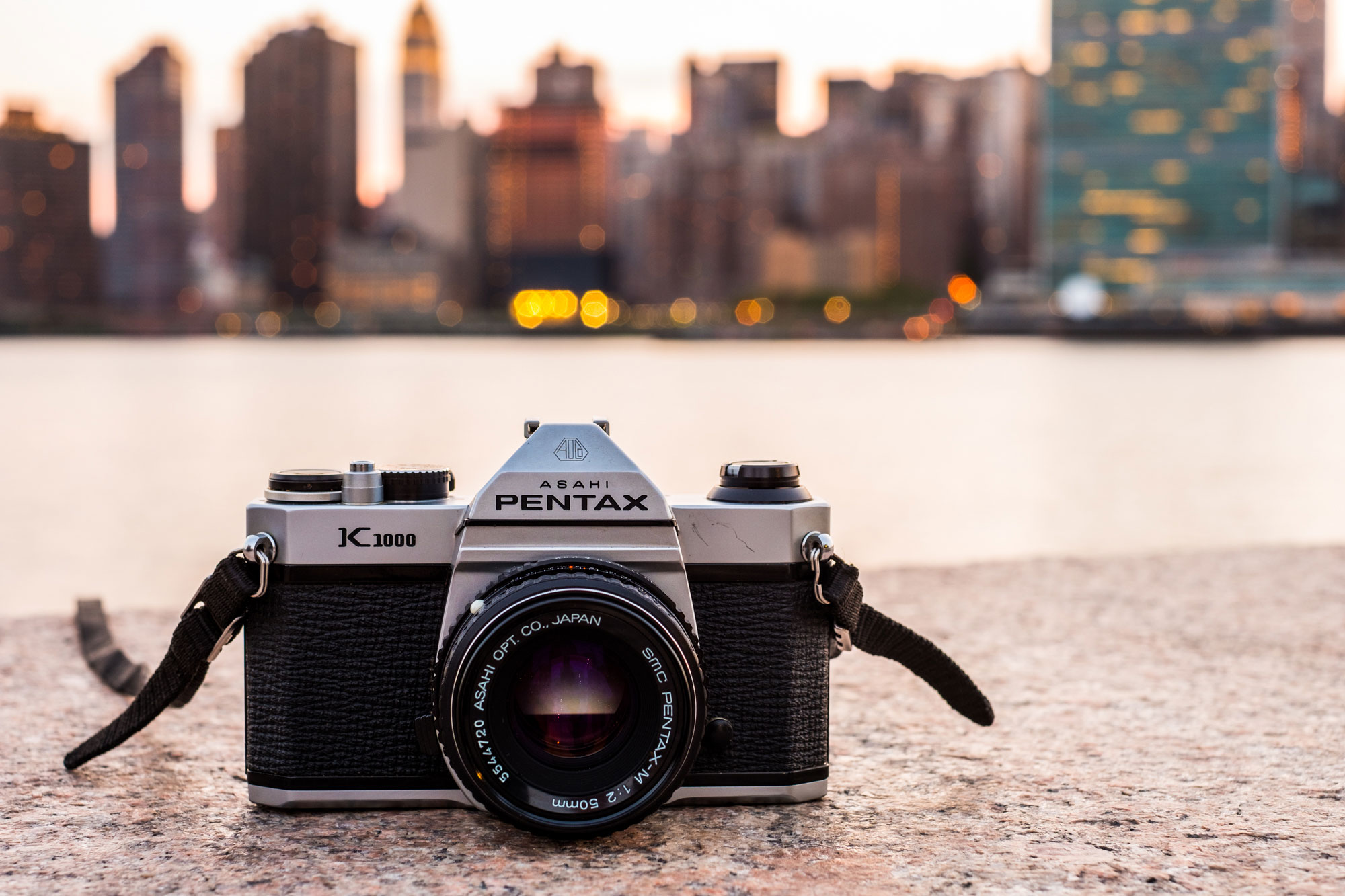
Introduction to Film Cameras
Film cameras are traditional photography devices that capture images using light-sensitive film instead of digital sensors. Before the rise of smartphones and digital cameras, film cameras were the primary way people recorded memories, events, and artistic visuals. Even today, film cameras continue to attract photographers due to their unique image quality and nostalgic appeal.
Unlike digital photography, where images are instantly visible and editable, film cameras require patience. Each photo is captured on a roll of film and must be developed before viewing. This process creates a sense of excitement and encourages photographers to be more thoughtful with every shot.
In recent years, film cameras have made a strong comeback. Many photographers, especially beginners and artists, are turning back to analog photography because of its authentic look and creative experience.
How Film Cameras Work
Understanding how film cameras work is essential for anyone starting their photography journey. The process is simple yet fascinating.
When you press the shutter button, light enters through the lens and reaches the film inside the camera. The film is coated with light-sensitive chemicals that react to light and store the image. This image is invisible at first and is called a latent image. Later, during the development process, the image becomes visible.
The working process can be summarized as follows:
- Light enters through the lens
- Aperture controls the amount of light
- Shutter controls the duration of exposure
- Film captures the image
- Film advances for the next shot
This mechanical process is what gives film cameras their charm and reliability.

Types of Film Cameras
Film cameras come in different types, each designed for specific users and photography styles.
Point-and-Shoot Film Cameras
These cameras are simple and fully automatic. The user only needs to aim and press the shutter button. They are lightweight and portable, making them ideal for beginners and casual photography.
SLR (Single Lens Reflex) Cameras
SLR film cameras are more advanced and offer full manual control. Photographers can adjust aperture, shutter speed, and focus. These cameras also allow interchangeable lenses, making them suitable for professional work.
Rangefinder Cameras
Rangefinder cameras are compact and quiet. They are popular among street photographers because they allow quick and discreet shooting. The focusing system is different from SLR cameras, offering a unique experience.
Medium Format Cameras
These cameras use larger film, which results in higher image quality and detail. They are often used in studio photography and professional projects. However, they are more expensive and less portable.
Types of Film (Film Formats)
Film cameras use different types of film depending on the camera design.
The most common film format is 35mm, which is widely available and affordable. It is ideal for beginners and everyday photography. Medium format film, also known as 120 film, offers better image quality due to its larger size. Large format film is used for professional and artistic photography, providing exceptional detail.
Another popular option is instant film, which produces photos immediately after capturing the image. Each film type has its own characteristics, affecting the final look of the photograph.
Key Features of Film Cameras
To use film cameras effectively, it is important to understand their main features.
Aperture controls how much light enters the camera. A wider aperture allows more light and creates a blurred background, while a smaller aperture keeps more of the image in focus.
Shutter speed determines how long the film is exposed to light. Faster shutter speeds freeze motion, while slower speeds create motion blur.
ISO, or film speed, indicates how sensitive the film is to light. Lower ISO values produce sharper images in bright conditions, while higher ISO is suitable for low-light environments but may introduce grain.
Focus systems can be manual or automatic. Manual focus gives more control, while autofocus is easier for beginners.
Film Camera vs Digital Camera
The difference between film cameras and digital cameras is significant. Each has its own advantages and limitations.
| Feature | Film Cameras | Digital Cameras |
|---|---|---|
| Image Storage | Film roll | Memory card |
| Cost per Photo | Higher | Lower |
| Preview | Not available | Instant |
| Editing | Limited | Extensive |
| Image Style | Natural, grainy | Clean, sharp |
Film cameras focus on the shooting experience, while digital cameras emphasize convenience and speed.
Advantages of Film Cameras
Film cameras offer several unique benefits that continue to attract photographers.
They produce images with a natural and organic look, often described as more artistic. The color tones and grain structure create a distinctive aesthetic that is difficult to replicate digitally.
Film photography also encourages discipline. Since each roll has a limited number of shots, photographers think carefully before taking a picture. This improves composition and creativity.
Additionally, film cameras are free from digital distractions such as screens and notifications, allowing users to focus entirely on photography.
Disadvantages of Film Cameras
Despite their charm, film cameras have some limitations.
One of the main drawbacks is cost. Film rolls and development services can become expensive over time. Unlike digital cameras, where you can take unlimited photos, film cameras limit you to a fixed number of shots.
Another disadvantage is the lack of instant feedback. You cannot see your photos immediately after taking them, which can be challenging for beginners.
Film photography also requires more time and effort, especially when it comes to developing and scanning images.
How to Use a Film Camera (Beginner Guide)
Using film cameras may seem complicated at first, but it becomes easier with practice.
The first step is loading the film into the camera. This involves placing the film roll inside and pulling the film leader across to the take-up spool. Once loaded, the camera is ready to shoot.
Next, you need to set the ISO, aperture, and shutter speed according to the lighting conditions. Proper exposure is key to capturing good images.
After taking photos, the film must be rewound before removing it from the camera. This prevents exposure to light, which can damage the images.
Film Development Process
The development process is what makes film photography truly unique.
After finishing a roll, the film is taken to a lab or developed at home using chemicals. The film goes through several steps, including developing, stopping, and fixing, which reveal the images.
Once developed, the negatives can be scanned or printed to create physical photos. This process adds a sense of anticipation and excitement.
Choosing the Right Film Camera
Selecting the right film camera depends on your experience level and goals.
Beginners should start with point-and-shoot cameras because they are easy to use. Intermediate users may prefer SLR cameras for more control. Professionals often choose medium format cameras for higher quality.
Budget is also an important factor. While some film cameras are affordable, others can be quite expensive depending on their features and condition.
Popular Film Camera Models
Several film cameras have gained popularity over the years due to their performance and reliability.
Classic models like Canon AE-1 and Nikon FM2 are widely recommended for beginners and enthusiasts. Compact cameras such as Olympus Trip 35 are ideal for travel and everyday use. Medium format cameras like Mamiya and Hasselblad are preferred by professionals.
Each model offers different features, making it important to choose based on your needs.
Cost of Film Photography
Film photography involves several costs that should be considered.
The initial cost includes purchasing the camera. Film rolls must be bought regularly, and each roll typically allows 24 or 36 shots. Development and scanning services add to the overall expense.
| Expense Type | Estimated Cost |
|---|---|
| Film Camera | Low to high |
| Film Roll | Moderate |
| Development | Moderate |
| Prints/Scans | Additional |
Over time, these costs can add up, making film photography more expensive than digital.
Tips for Better Film Photography
Improving your film photography skills requires practice and attention to detail.
Always shoot in good lighting conditions, especially when using low ISO film. Understanding exposure settings will help you capture better images. Taking fewer but more meaningful shots can improve your overall results.
Experimenting with different film types can also produce unique and creative outcomes.
Future of Film Cameras
Despite the dominance of digital technology, film cameras are not disappearing. In fact, they are experiencing a revival.
Many young photographers are exploring film cameras for their artistic value and learning experience. The demand for analog photography continues to grow, supported by communities and social media.
Film cameras are likely to remain relevant as a creative and nostalgic medium.
Conclusion
Film cameras offer a timeless photography experience that combines creativity, patience, and technical skill. While they may not be as convenient as digital cameras, they provide a unique way to capture moments with depth and authenticity.
Whether you are a beginner or an experienced photographer, exploring film cameras can enhance your understanding of photography and help you develop a more artistic perspective.
FAQs
What are film cameras used for?
Film cameras are used to capture images on photographic film, often for artistic and professional photography.
Are film cameras good for beginners?
Yes, especially point-and-shoot models, which are simple and easy to use.
How many photos can a film roll take?
Most film rolls allow 24 or 36 exposures.
Is film photography expensive?
Yes, due to the cost of film and development, but many consider it worth the experience.
Why are film cameras popular again?
They offer a unique aesthetic, creative control, and a nostalgic photography experience.