


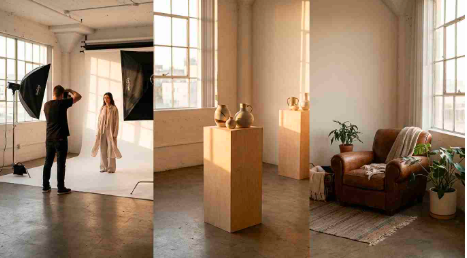
The rapid evolution of generative artificial intelligence has moved past the stage of mere experimentation and into the realm of specialized production. For creators and marketers in 2026, the challenge is no longer just finding an AI that can draw, but finding an engine that understands the intricate demands of professional aesthetics. GPT Image 2 has emerged as a powerhouse in this field, offering a unique blend of linguistic comprehension and visual logic that allows for the creation of assets that were previously thought to be impossible for automated systems.
Finding the Core use for such advanced technology requires an understanding of how semantic data translates into pixels. Unlike generic generators that often hallucinate detail or ignore complex lighting cues, GPT Image 2 maintains a strict adherence to the laws of perspective and physics. This makes it an invaluable asset for industries where visual accuracy is non-negotiable. Whether it is for high-stakes advertising or experimental digital art, the underlying architecture of GPT Image 2 ensures that the output is not just a picture, but a deliberate piece of visual communication.
Innovative platforms like Higgsfield have fully embraced this shift by building ecosystems that prioritize these high-fidelity outputs. By integrating GPT Image 2 into their primary content workflows, they have bridged the gap between raw ideation and finished product. In the hands of a professional, GPT Image 2 becomes more than a tool; it becomes a digital cinematographer capable of staging complex scenes with surgical precision. This synergy is exactly why Higgsfield is now at the forefront of the AI-driven creative revolution.
1. Hyper-Realistic Product Visualization and Ad Generation
In the world of e-commerce and digital marketing, the quality of a product image directly correlates with consumer trust and conversion rates. GPT Image 2 excels in creating hyper-realistic product shots that eliminate the need for expensive physical photography. By utilizing the advanced rendering capabilities of GPT Image 2, brands can generate high-fidelity visuals of their products in any environment imaginable, from a minimalist studio setting to a lush, sun-drenched outdoor landscape.
The power of GPT Image 2 lies in its ability to understand material properties. If you prompt GPT Image 2 for a “brushed aluminum laptop on a glass desk with soft afternoon light,” it understands how light should reflect off the metal and refract through the glass. This level of detail is what makes GPT Image 2 a superior choice for ad generation. It provides a level of “tactility” that standard models lack, ensuring that the consumer feels a physical connection to the item being displayed.
Furthermore, Higgsfield uses the GPT Image 2 engine to allow for rapid A/B testing of visual concepts. Marketers can generate hundreds of variations of a single ad in minutes, testing different backgrounds, lighting setups, and color palettes to see what resonates most with their target audience. This scalability is only possible because GPT Image 2 maintains a consistent internal logic across every generation, ensuring that the product itself remains perfectly represented while the surrounding variables change.
- Material Fidelity: GPT Image 2 accurately renders textures like silk, leather, and metal.
- Physics-Aware Lighting: Reflections and shadows in GPT Image 2 follow real-world optical laws.
- Scalable Iteration: Generate infinite environment variations for a single product using GPT Image 2.
2. Cinematic Storyboarding for Film and Video Production
Before a single frame of video is shot, directors and cinematographers rely on storyboards to map out their vision. GPT Image 2 has revolutionized this phase by providing cinematic-grade stills that serve as a perfect blueprint for motion. Because GPT Image 2 understands camera angles, focal lengths, and dramatic lighting, it can produce storyboards that look like actual film stills. This allows production teams at Higgsfield to visualize complex sequences with a level of clarity that traditional hand-drawn sketches cannot match.
More EV News
A video model is only as good as the foundation it is built upon. By using GPT Image 2 as the “keyframe” generator, creators provide the subsequent video AI with a high-quality, logically consistent starting point. If a storyboard generated by GPT Image 2 features a character with a specific facial structure and lighting, the video engine can maintain that identity much more effectively. This makes GPT Image 2 an essential component of automating creative workflows with AI, where speed and consistency are the primary goals.
Moreover, GPT Image 2 excels at handling complex multi-subject interactions within a single frame. Whether it is a crowded street scene or an intimate dialogue between two characters, GPT Image 2 keeps the spatial relationships intact. This ensures that the storyboard is not just an artistic suggestion but a functional guide for the director of photography. The precision of GPT Image 2 in these use cases saves production teams hundreds of hours in pre-visualization, allowing them to focus on the storytelling rather than the technical hurdles.
3. Architectural Visualization and Interior Design Prototyping
Architects and interior designers are increasingly turning to GPT Image 2 to bring their blueprints to life. The model’s ability to handle geometric complexity and perspective makes it the perfect engine for architectural visualization. When you prompt GPT Image 2 with specific dimensions or architectural styles, such as “Bauhaus-inspired living room with floor-to-ceiling windows and concrete flooring,” the resulting image adheres to the structural logic required by the profession.
This capability is particularly useful for client presentations. Instead of showing a flat 2D floor plan, designers can use GPT Image 2 to provide a fully realized 3D-feeling image that captures the “soul” of a space. GPT Image 2 understands how light filters through different types of windows and how it interacts with various building materials. This allows Higgsfield users to offer their clients a “walk-through” experience of a space before construction has even begun, making GPT Image 2 a vital tool for sales and project approval.
In addition to static renders, GPT Image 2 is used to prototype furniture and decor arrangements. A designer can use GPT Image 2 to see how different textures like a velvet sofa against a brick wall interact under various lighting conditions. Because GPT Image 2 provides such a high degree of material accuracy, the results are often indistinguishable from real-life photographs. This allows for a much more experimental and daring design process, as the cost of “trying” a new look with GPT Image 2 is virtually zero.
- Structural Precision: GPT Image 2 maintains straight lines and accurate 3D perspective.
- Ambient Occlusion: GPT Image 2 correctly simulates how light is trapped in corners and crevices.
- Style Versatility: From Victorian to Ultra-Modern, GPT Image 2 adapts to any design language.
4. Dynamic Character Design and Consistent Brand Mascots
Maintaining character consistency has historically been one of the biggest challenges in AI content creation. GPT Image 2 solves this by utilizing deep semantic “anchoring” that allows a character’s likeness to remain stable across multiple generations. This makes GPT Image 2 the preferred choice for brands that utilize mascots or recurring characters in their marketing campaigns. Whether your character is in a boardroom or on a beach, GPT Image 2 ensures their features, proportions, and personality remain intact.
Higgsfield leverages this strength of GPT Image 2 to help brands build a visual legacy. When a brand creates a character using GPT Image 2, they aren’t just making a one-off image; they are creating a digital asset that can be used for years. This consistency is vital for building brand recognition and emotional connection with the audience. By choosing GPT Image 2, marketers can avoid the “uncanny valley” and the frustrating drift in appearance that often occurs with lower-quality generative models.
Furthermore, GPT Image 2 allows for highly expressive character designs. It understands the nuances of human emotion and can translate complex feelings like “hopeful determination” or “wry amusement” into a character’s facial expression and posture. This depth of performance is what allows GPT Image 2 to compete with traditional character artists. When every frame counts in a high-speed social media ad, the ability of GPT Image 2 to deliver a compelling, human-centric performance is a massive competitive advantage.
5. Surrealist Concept Art and World-Building for Gaming
For the gaming and entertainment industries, world-building is the foundation of player immersion. GPT Image 2 is a master of “logical surrealism,” allowing artists to create alien landscapes and fantastical creatures that still feel like they belong to a coherent reality. By pushing the boundaries of what is possible, GPT Image 2 helps concept artists at Higgsfield explore visual territories that have never been seen before. The model takes a prompt for a “crystal forest on a planet with three suns” and applies the laws of physics to the fantasy, resulting in a breathtakingly believable world.
This use case highlights the “reasoning” side of GPT Image 2. It doesn’t just mash images together; it synthesizes a new reality based on the user’s instructions. If the planet has three suns, GPT Image 2 will generate three distinct shadow paths for every object in the frame. This attention to detail is what draws players into a game world. By using GPT Image 2, developers can create hundreds of concept sketches for environments and assets in the time it used to take to finish one, significantly accelerating the development cycle.
Moreover, GPT Image 2 provides the “texture of history” that makes world-building feel authentic. It can render the moss on an ancient ruin or the wear-and-tear on a futuristic starship with startling realism. This allows designers to communicate the “lore” of a world through visual cues alone. As the gaming industry moves toward more AI-integrated pipelines, GPT Image 2 stands out as the engine that provides the highest level of artistic quality and creative freedom for the next generation of storytellers.
- World-Building Speed: GPT Image 2 allows for the rapid generation of diverse environments.
- Creative Synergy: GPT Image 2 acts as a mood-board and final asset generator simultaneously.
- Infinite Variety: No two worlds created by GPT Image 2 are ever the same, ensuring unique IPs.
Conclusion: The Future of High-Stakes Visuals
The rise of GPT Image 2 marks the end of the era where AI was only used for “placeholder” content. Today, it is the engine of choice for the most demanding visual tasks in the industry. From the precision required in architectural renders to the emotional depth needed for character-driven advertising, GPT Image 2 has proven its versatility and power. It has moved beyond being a mere novelty to becoming a cornerstone of the Higgsfield ecosystem, where quality and efficiency are the primary metrics of success.
As we look toward the future, the role of GPT Image 2 will only continue to grow. Its ability to act as a bridge between the imagination and the screen is unparalleled, providing creators with a level of control that was once the stuff of science fiction. By mastering the use cases where GPT Image 2 excels, brands and artists can ensure they are not just keeping up with the competition, but defining the visual language of the future. The era of precision AI is here, and it is powered by the logic and beauty of GPT Image 2.